도야진가
Doyajinga
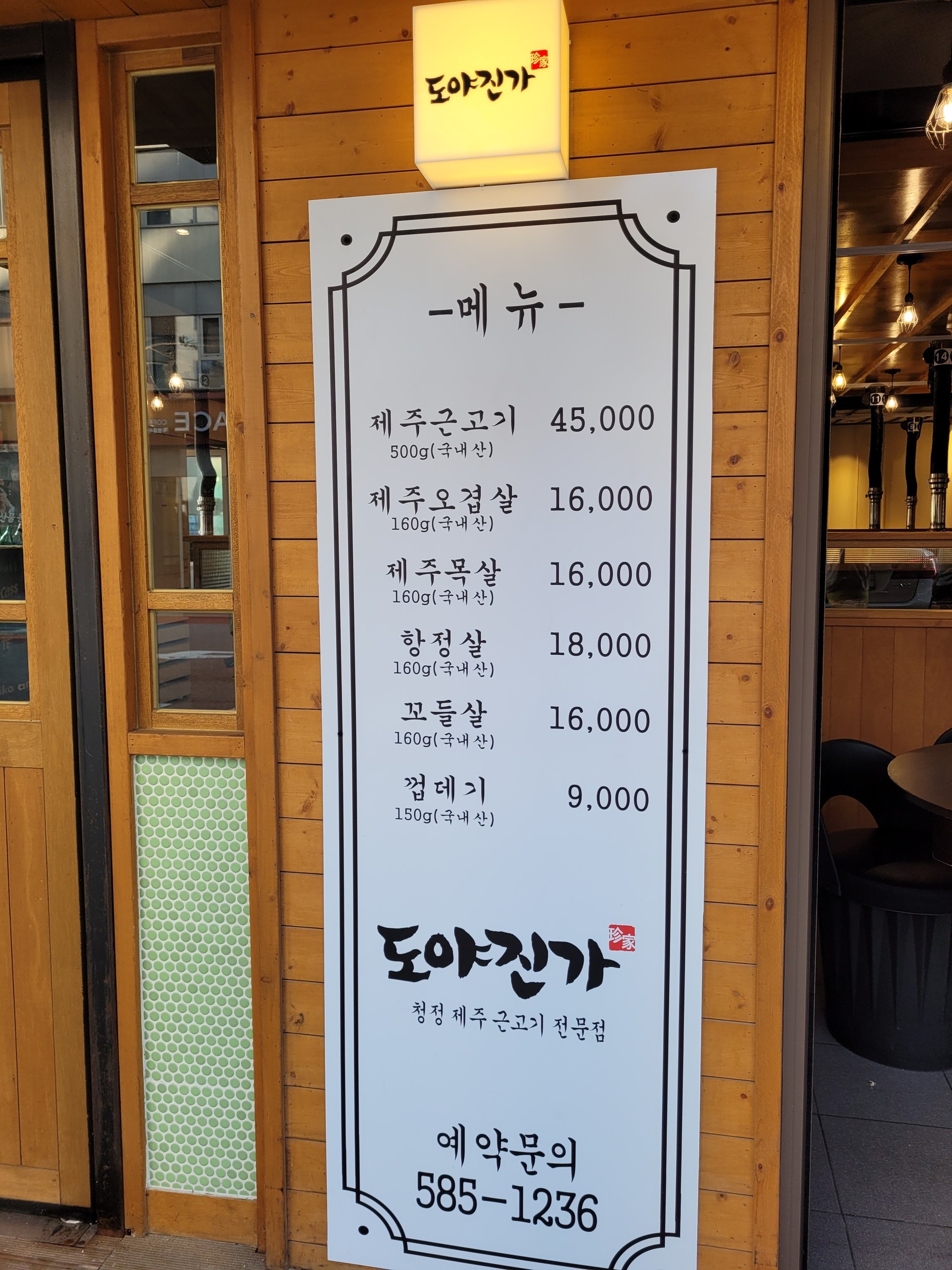
- Menu -
Specialty Restaurant for Pristine Jeju Fresh Pork
Jeju Black Pork
제주흑고기
Special black pork raised in Jeju. It is characterized by less fat and a chewier texture than regular pork. Its savory and mild flavor is excellent, with a unique aroma. It is usually grilled over charcoal and enjoyed with ssam vegetables, or it tastes even better dipped in Myeolchi Aekjeot (fermented anchovy sauce).
₩45,000
≈ $31.00Jeju Ogyeopsal
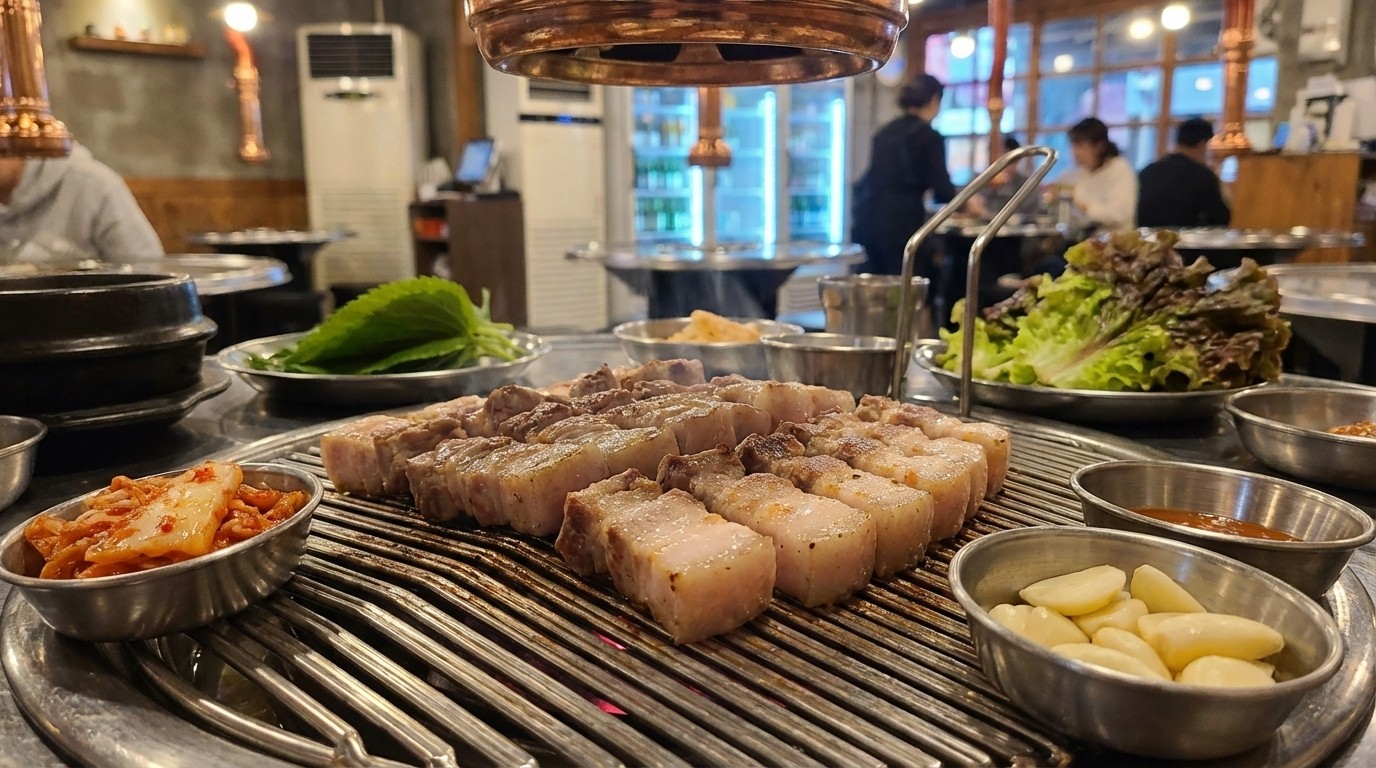
제주오겹살
A cut of Jeju black pork consisting of five layers: skin, fat, and lean meat. It offers a good combination of chewy skin and tender lean meat. It is characterized by rich juices, savory flavor, and chewy texture. Thickly sliced and grilled on a pan, it is enjoyed wrapped in ssam with kimchi, garlic, etc.
₩16,000
≈ $11.00Jeju Moksal
제주목살
Lean meat from the neck part of Jeju black pork, with less fat and primarily lean meat. It is characterized by its mild and tender flavor, with a pleasant chewiness. It is often enjoyed grilled, and to retain its juices, it is grilled moderately and dipped in salt or wrapped in ssam.
₩16,000
≈ $11.00Hangjeongsal
항정살
A special cut from the pork neck, with a good balance of fat and lean meat, resulting in excellent marbling. Also called Cheongyeopsal. It has a chewy yet tender texture and is rich in savory juices. Lightly grilled until golden brown, it can be enjoyed with wasabi or salt to fully appreciate the original flavor of the neck meat.
₩18,000
≈ $12.00Godeulsal
고들살
One of the special cuts of pork, it is a thin membrane attached between the belly and loin. Also called Kkudeulsal, it is characterized by its firm texture. Its unique chewy texture and savory flavor are appealing. It is delicious when grilled and eaten as ssam, or when the grilled godeulsal is dipped in a special sauce.
₩16,000
≈ $11.00Pork Rind
껍데기
Refers to the skin part of the pig. It is known to be good for health due to its rich collagen content. It is characterized by its chewy and springy texture and savory flavor. It is grilled until crispy on a hot pan and dipped in bean powder or a special sauce. It is popular as an accompaniment to soju.
₩9,000
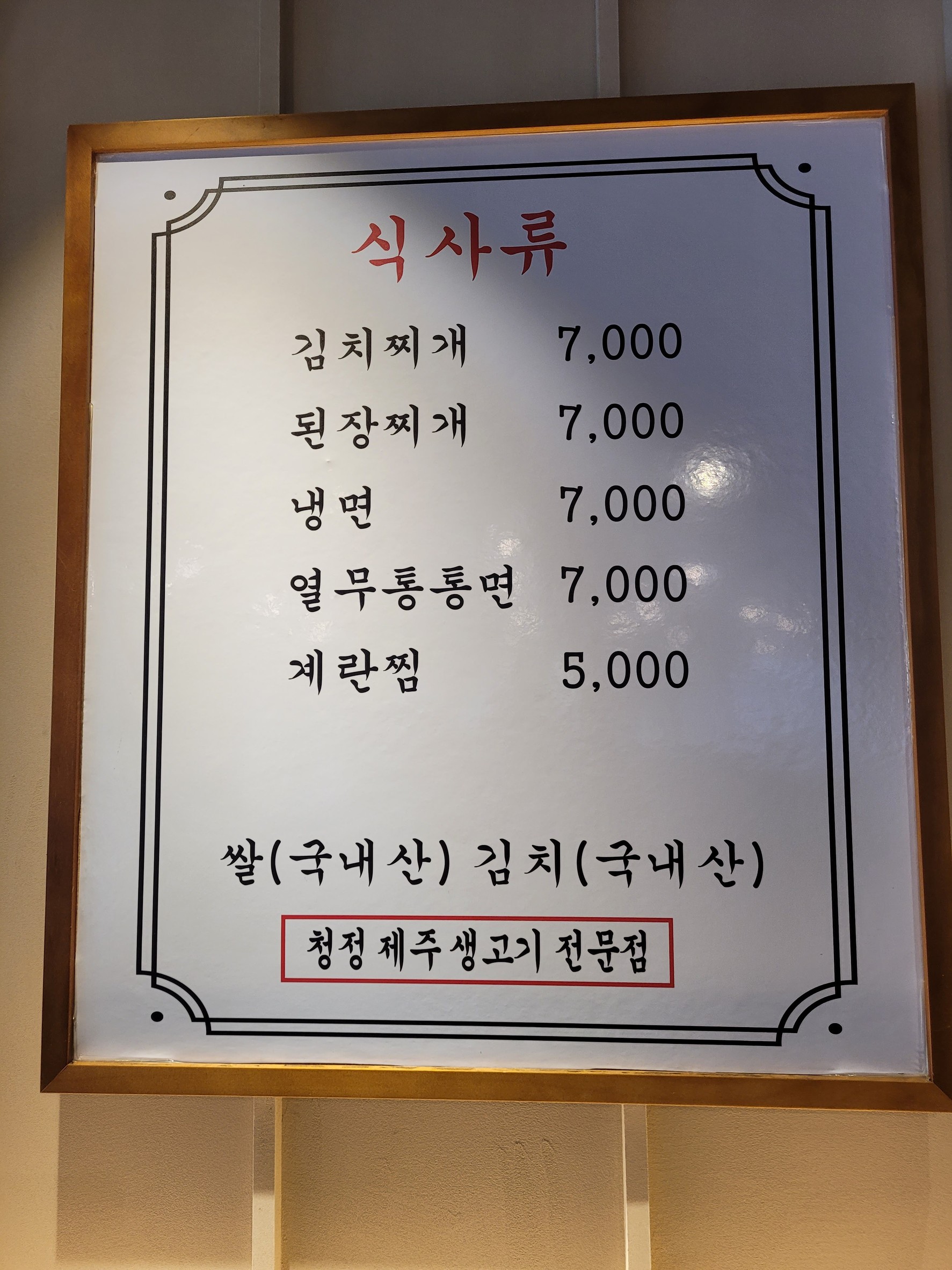
≈ $6.00Meal Sets
Rice (Domestic), Kimchi (Domestic)
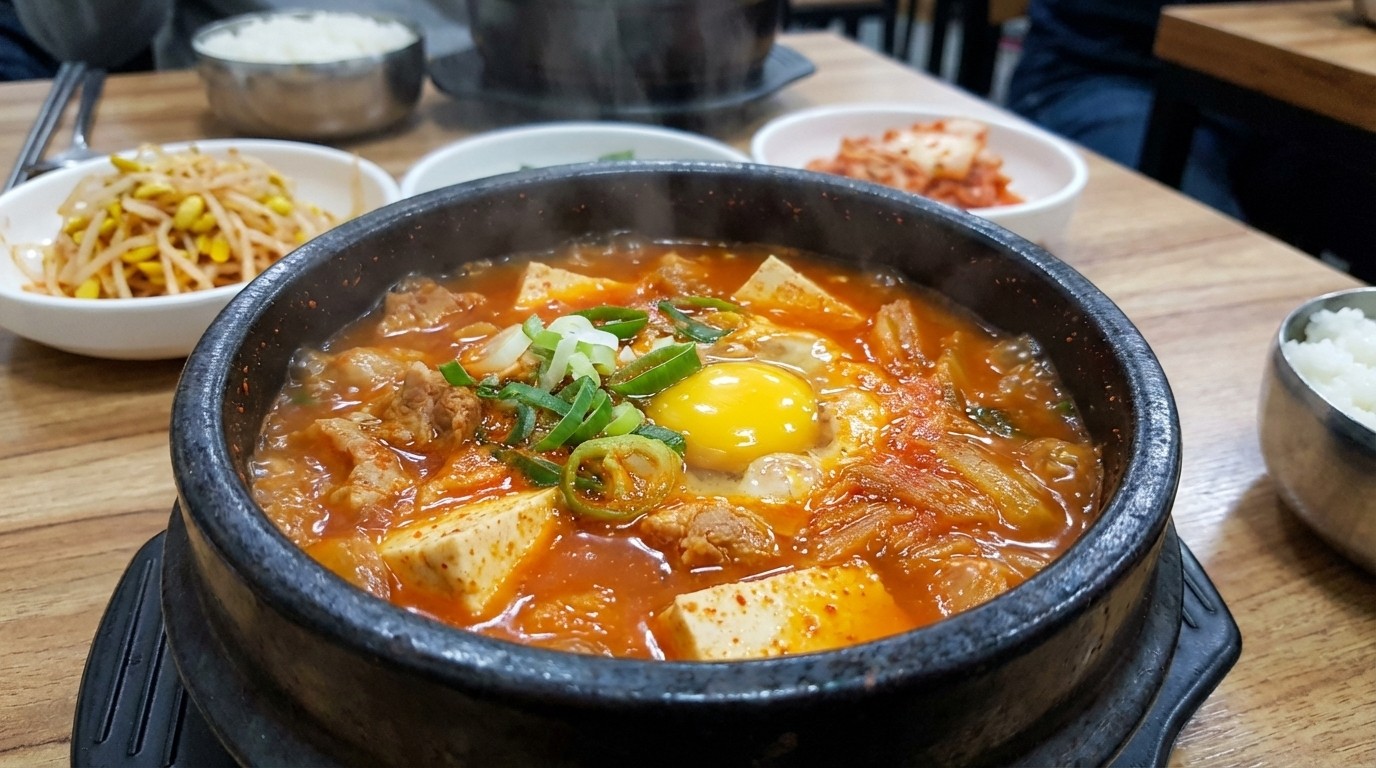
Kimchi Jjigae
김치찌개
A representative Korean stew made by boiling well-fermented kimchi with pork (or tuna), tofu, etc., in a spicy broth. It has a spicy, sour, and deeply savory flavor. It is typically eaten with hot rice and is a popular dish, considered a soul food for Koreans.
₩7,000
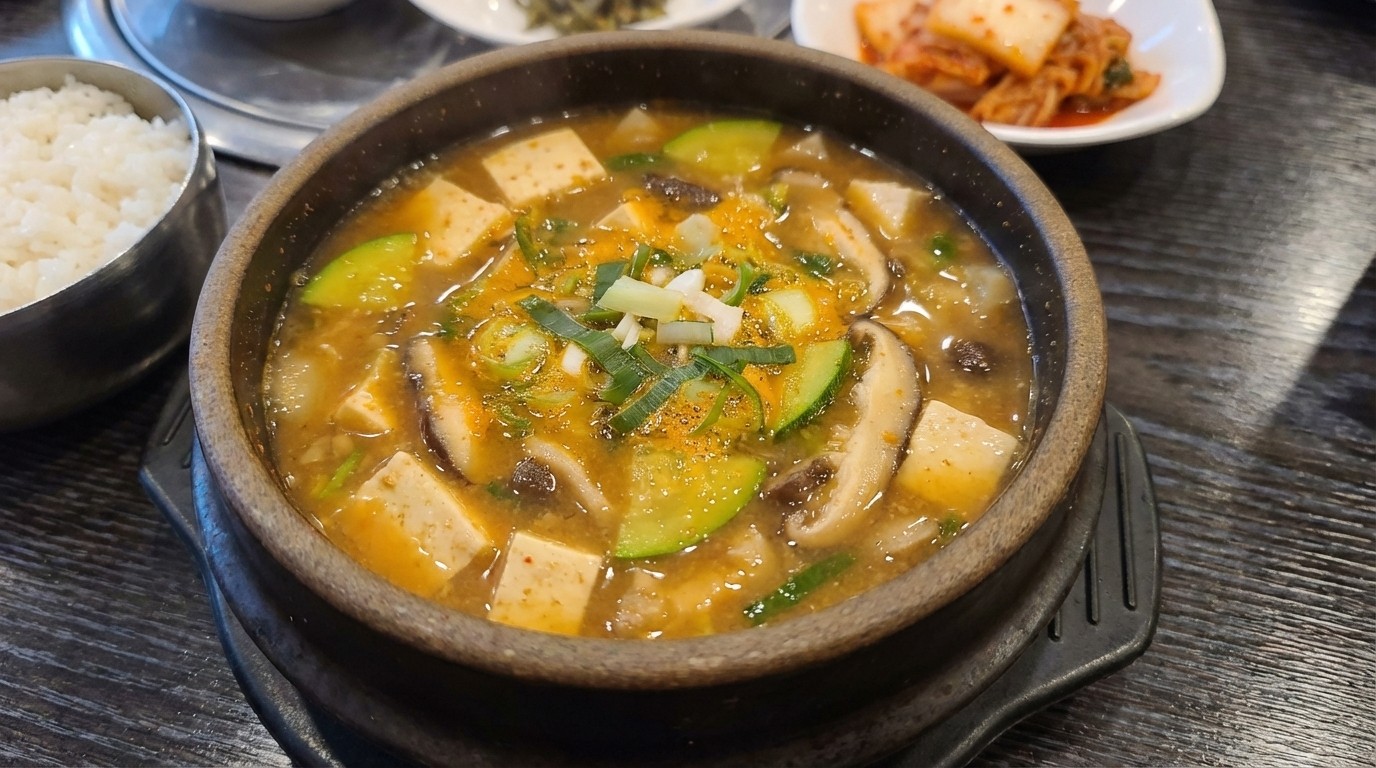
≈ $5.00Doenjang Jjigae
된장찌개
A savory stew made with doenjang, a traditional Korean fermented food, as the main ingredient, along with tofu, zucchini, onions, mushrooms, etc. It has a deep and savory doenjang flavor harmonized with the refreshing taste of vegetables, creating a salty taste. It is typically eaten mixed with rice or with the stew broth. It is a basic soup dish often found on Korean tables.
₩7,000
≈ $5.00Naengmyeon
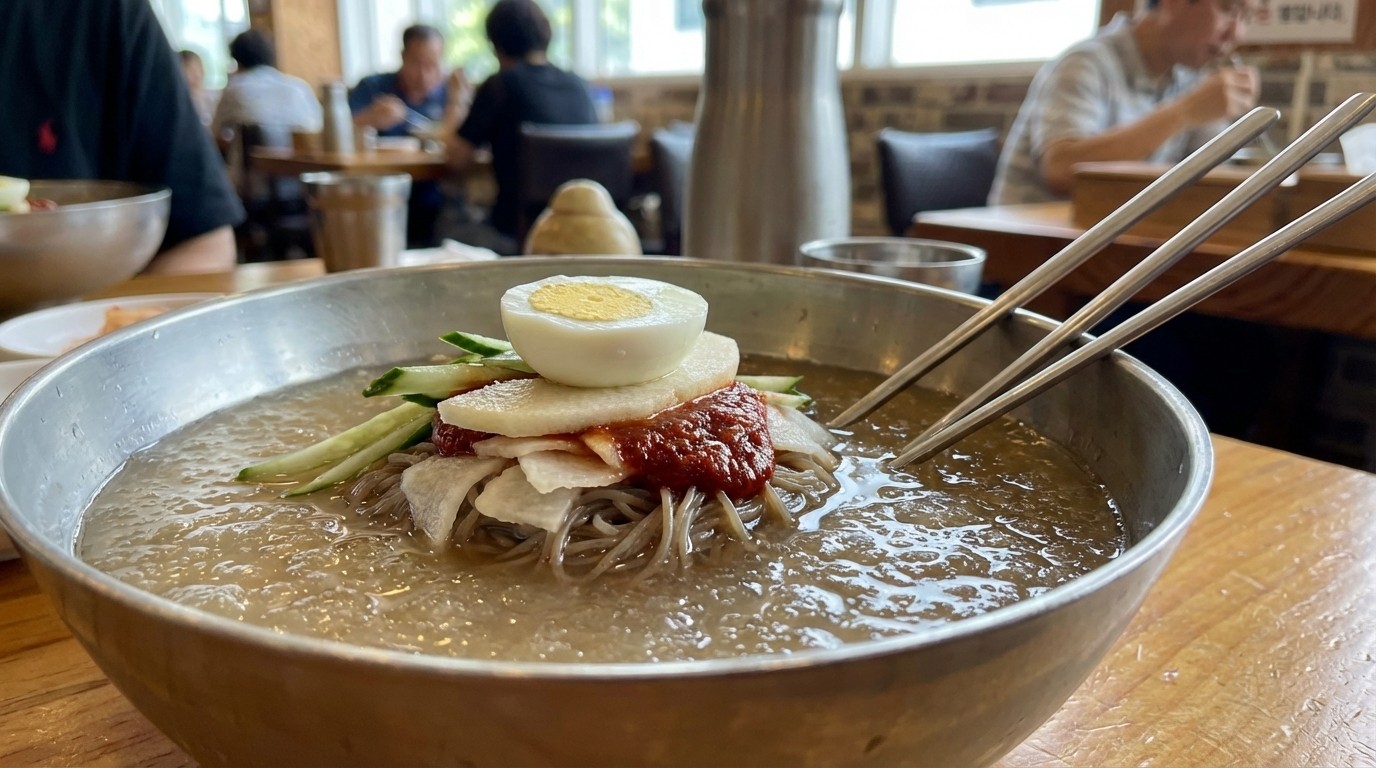
냉면
A cold noodle dish served with chewy noodles in a cool, sweet and sour broth. Buckwheat noodles are typically used. It is cool and refreshing, with a harmonious blend of sweet and sour broth and chewy noodles. It can be enjoyed cool with meat dishes or as a palate cleanser after a meal. Adjust seasoning to your preference with mustard and vinegar.
₩7,000
≈ $5.00Yeolmu Tongtong Myeon
열무통통면
A cool and spicy noodle dish made with yeolmu kimchi as the main ingredient. The thick noodles and the refreshing, spicy, and sour taste of the crunchy yeolmu kimchi are harmonized. It is a summer delicacy, enjoyed mixed cold or with broth.
₩7,000
≈ $5.00Steamed Egg
계란찜
A Korean-style steamed egg dish made by adding water or broth to eggs and steaming them gently. Served warm in a stone pot. It has a soft, moist, mild, and savory flavor. It can be eaten as a side dish with rice or eaten with spicy food to neutralize the spiciness. Children also love this menu item.
₩5,000
≈ $3.00Place Information
Contains Dairy
Peanut Allergy
Contains Fish
Contains Shellfish
Gluten Free
Vegan Options
Need dietary or allergy information?
4.1
37 customers praised this place. (Google)
Seoul, South Korea
Are you the owner? Please let us know if there's any incorrect information.
Report Incorrect InfoLoading map...